System integration
WE BUILDTHE SYSTEM.
Software that works while you sleep.
System integration and custom APIs so CRMs, payments, and internal tools keep moving after you log off.
Disconnected tools create a night shift
When tools do not talk, your team becomes the integration layer.
People are the API
Every morning starts with copy-paste between tools.
Three versions of the truth
Ops, finance, and the field each trust a different number.
Failures show up as customers
A stuck sync is silent until someone is already angry.
System integration that keeps the operation moving
The workflow runs without you
Payments, locations, and status update while you sleep.
One flow instead of five tabs
Custom APIs stitch the stack you already paid for.
Breaks surface before customers do
A failed sync is an alert, not a surprise ticket.
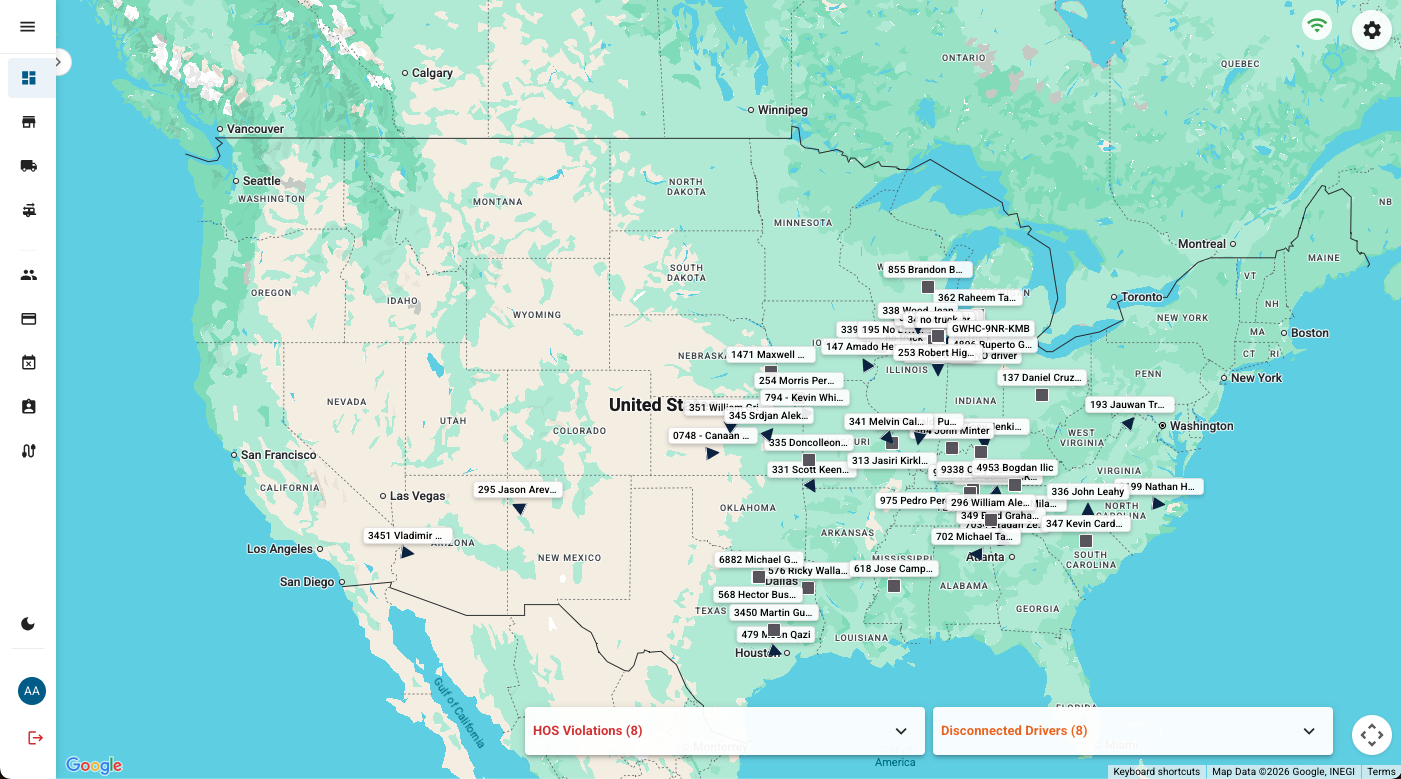
The fleet keeps moving after you log off
Vehicles, drivers, billing, and telematics in one platform. The map stays live. Dispatchers are not the integration layer.
Live operations, not a nightly dump
Map, list, and mobile share the same API.
Billing and telematics in the product
Stripe and providers per tenant — not a side spreadsheet.
Drivers are not a separate system
Documents and location on the phone. Field and office agree.
Related work
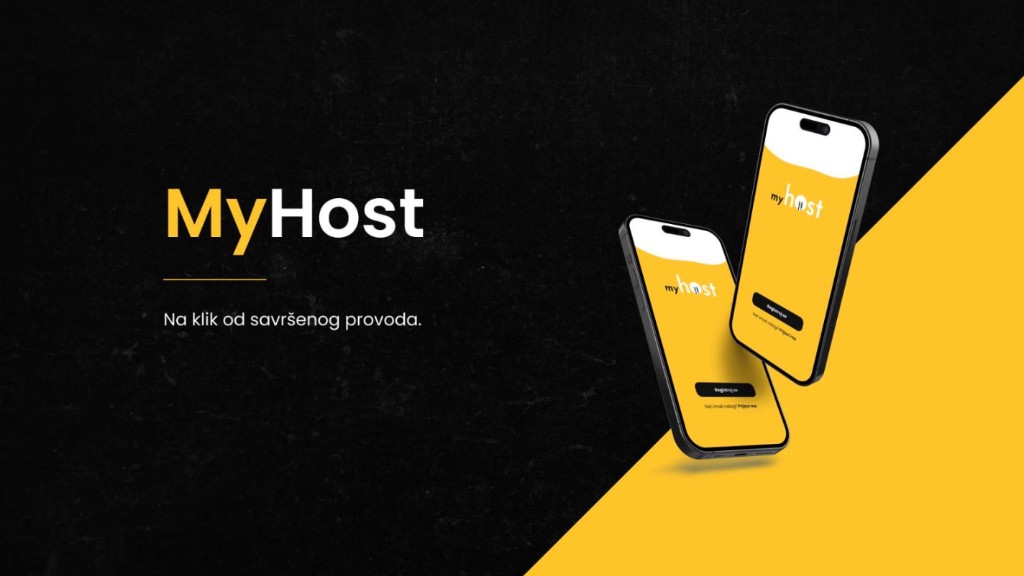
MyHost - Restaurant reservations with interactive table maps
Consumer mobile app + operator admin for the Balkans: guests pick exact tables from bird's-eye layouts; venues manage reservations, events, and loyalty - React Native (Expo), .NET, MongoDB.
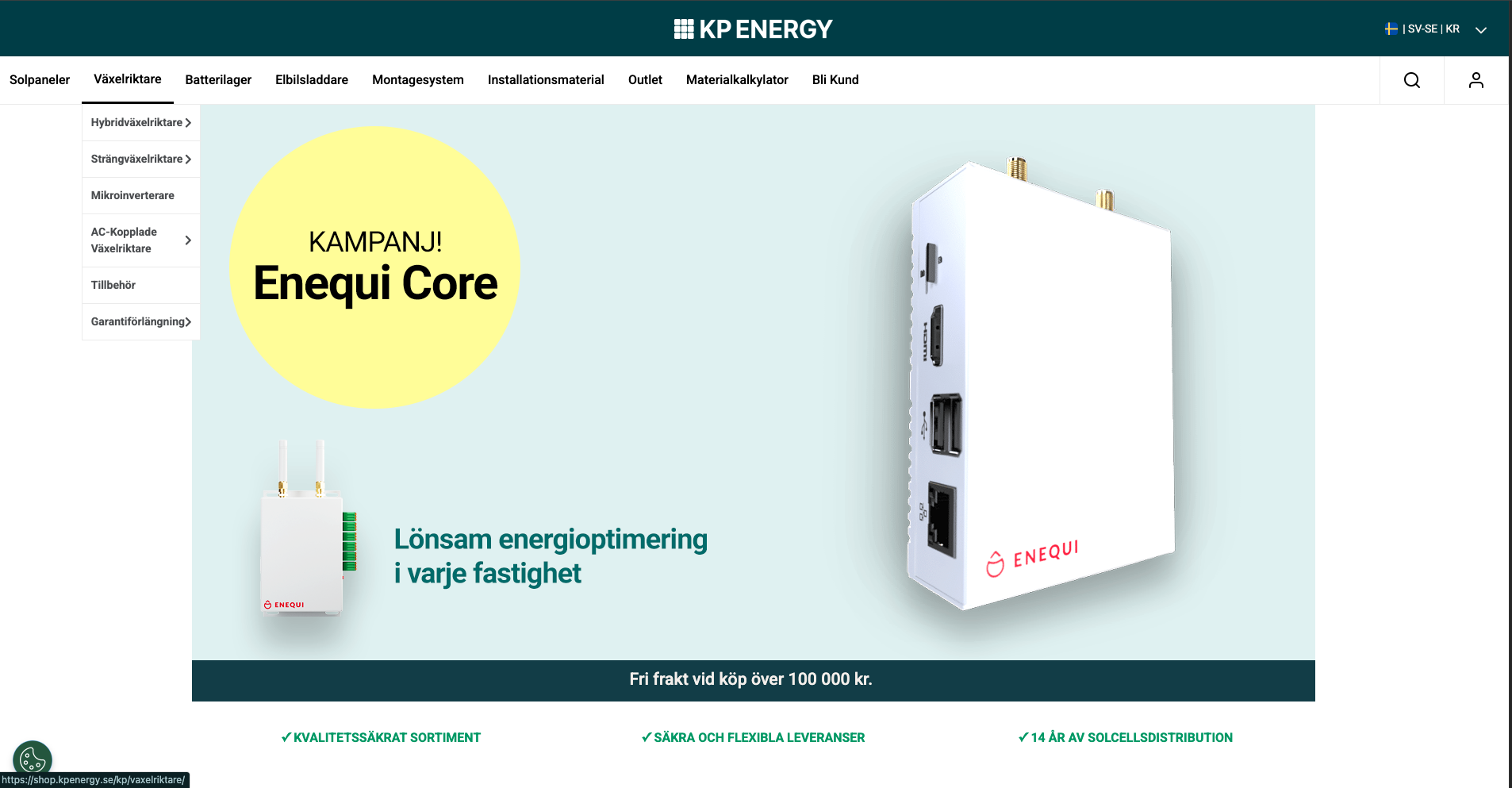
KP Energy B2B Webshop
Nordic B2B storefront for solar, battery storage, inverters, and installation products - multi-market, login-gated pricing, and wholesale onboarding on Azure.
What we still build
Custom API development
- REST and GraphQL
- Auth and permissions
- Documentation
- Versioning
Third-party integrations
- Payment gateways
- CRM and ERP
- Maps and hardware
- Email and files
Legacy and data flow
- Wrap and extend
- Migration in slices
- Sync and pipelines
- Backward compatibility
How we wire the stack
- 01
See the real data flow
Which handoffs still run through a person before 8am.
- 02
Design for failure
Retries, auth, and a rollout that does not take ops down.
- 03
Build and test the path
Timeouts, duplicates, and partial updates included.
- 04
Ship with eyes on
Know it still works at 2am — not only in the demo.
Frequently asked questions
What if our tools already exist?
That is usually the starting point. We connect CRMs, ERPs, payments, and internal systems so your team stops being the integration layer. The goal is software that keeps moving after you log off — not another login to check.
What systems can you integrate?
We integrate CRMs, ERPs, payment providers, accounting tools, messaging platforms, internal databases, and custom APIs. If a system exposes an API, webhook, or file exchange, we can usually connect it.
Do you build custom APIs and microservices?
Yes. We design and implement REST/GraphQL APIs, event-driven pipelines, and microservices so your products and partners can exchange data reliably and securely.
How do you keep integrations reliable?
We use monitoring, retries, idempotency, clear error handling, and staged rollouts. Critical flows get logging and alerting so issues surface before customers feel them.
Do you work with international clients?
Yes. Fort IT Solutions is based in Novi Sad, Serbia, and regularly partners with startups and businesses across Europe and worldwide. We work in English, use modern collaboration tools, and adapt to your timezone and delivery cadence.
How long does an MVP usually take?
Most MVPs take 6–16 weeks depending on scope, integrations, and design readiness. After a short discovery, we propose a phased plan so you can validate with real users before building every feature.
How much does a custom software project cost?
Pricing depends on scope, complexity, and team size. We typically start with a free consultation, then a fixed discovery or a clear estimate for the first delivery phase. We prefer transparent scopes over open-ended retainers unless you need ongoing team augmentation.
Ready for software that works while you sleep?
Tell us which tools still meet in a spreadsheet. We will map the integrations that let the operation run without a night shift.